
Recovery
Recovery Science: What Actually Has Evidence
Before any compound enters the conversation, the interventions with the strongest recovery evidence are unglamorous and free.
Peptide Atlas EditorialAugust 14, 2026 · 8 min read

Metabolic health, recovery, sleep, hormones, longevity and performance — written for readers who want the evidence, not the hype.
Before any compound enters the conversation, the interventions with the strongest recovery evidence are unglamorous and free.
Growth hormone release, glucose regulation and appetite signalling all shift during sleep. The research on what that means is better than the marketing suggests.
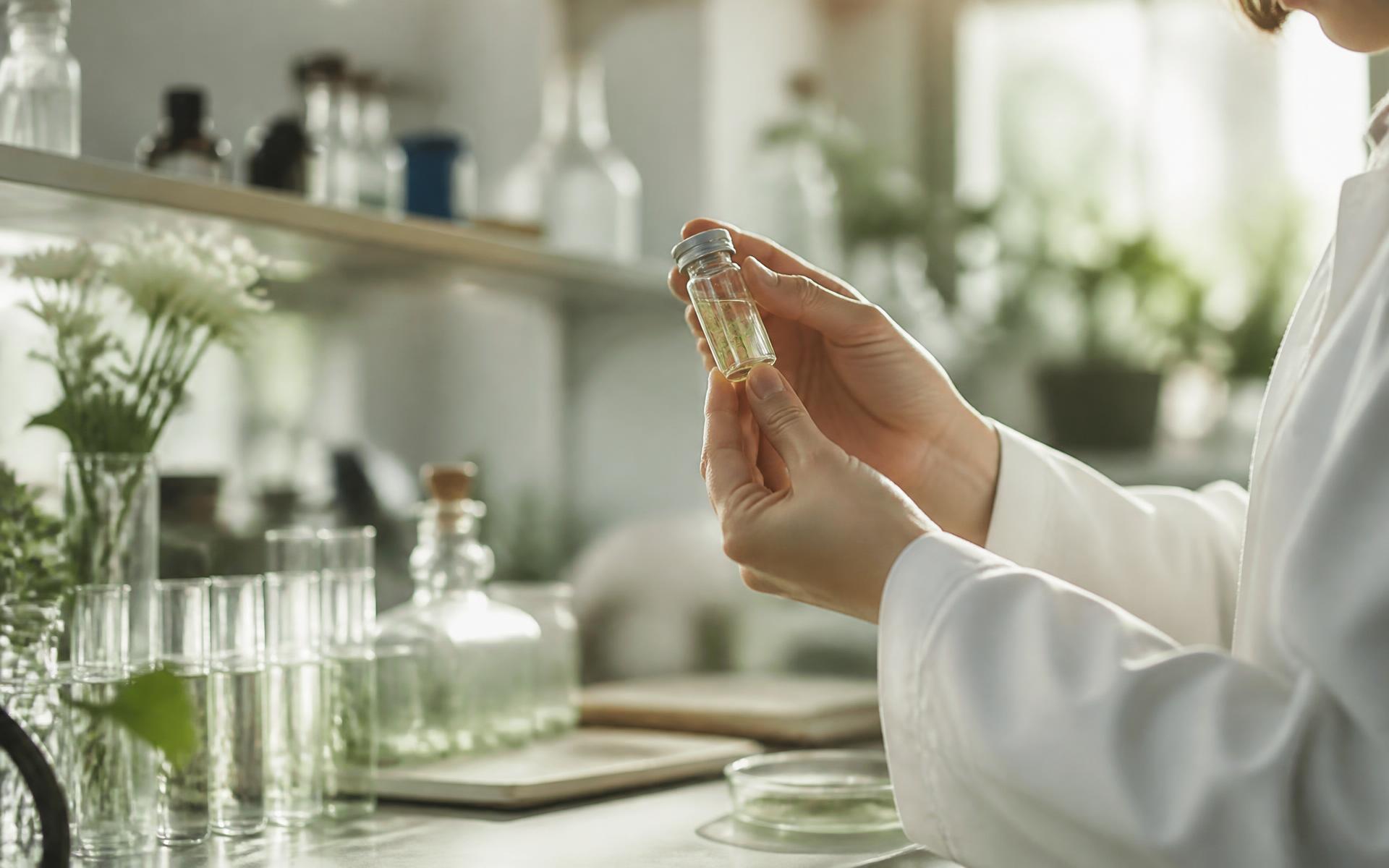
The phrase is a regulatory category, not a quality claim, a safety statement, or a loophole.

Milligrams, micrograms and millilitres. Most reported dosing errors in research settings are unit errors, not judgement errors.
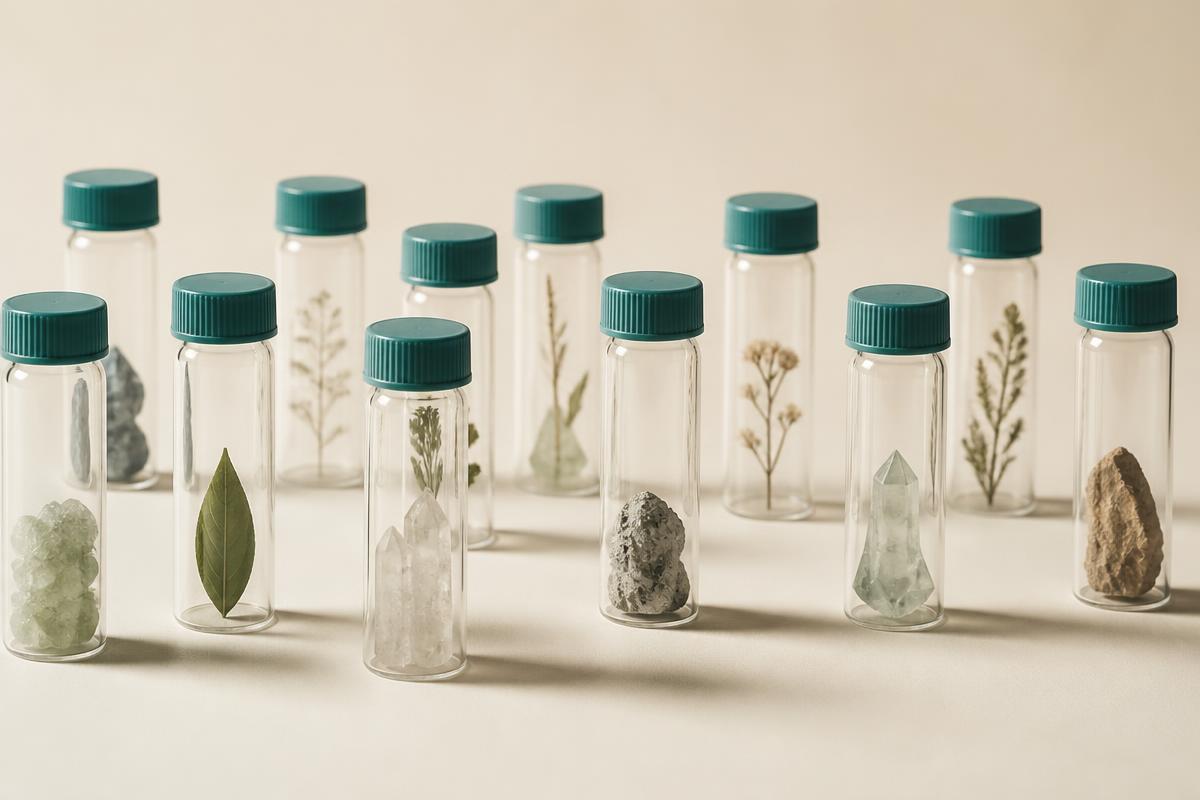
A COA is only as good as the batch number, the laboratory name and the date printed on it.
The hypothalamic-pituitary axis is a feedback system. Compounds that act on it behave differently depending on how they are timed.
Lifespan claims require lifespan data. Almost nothing marketed for longevity has any.
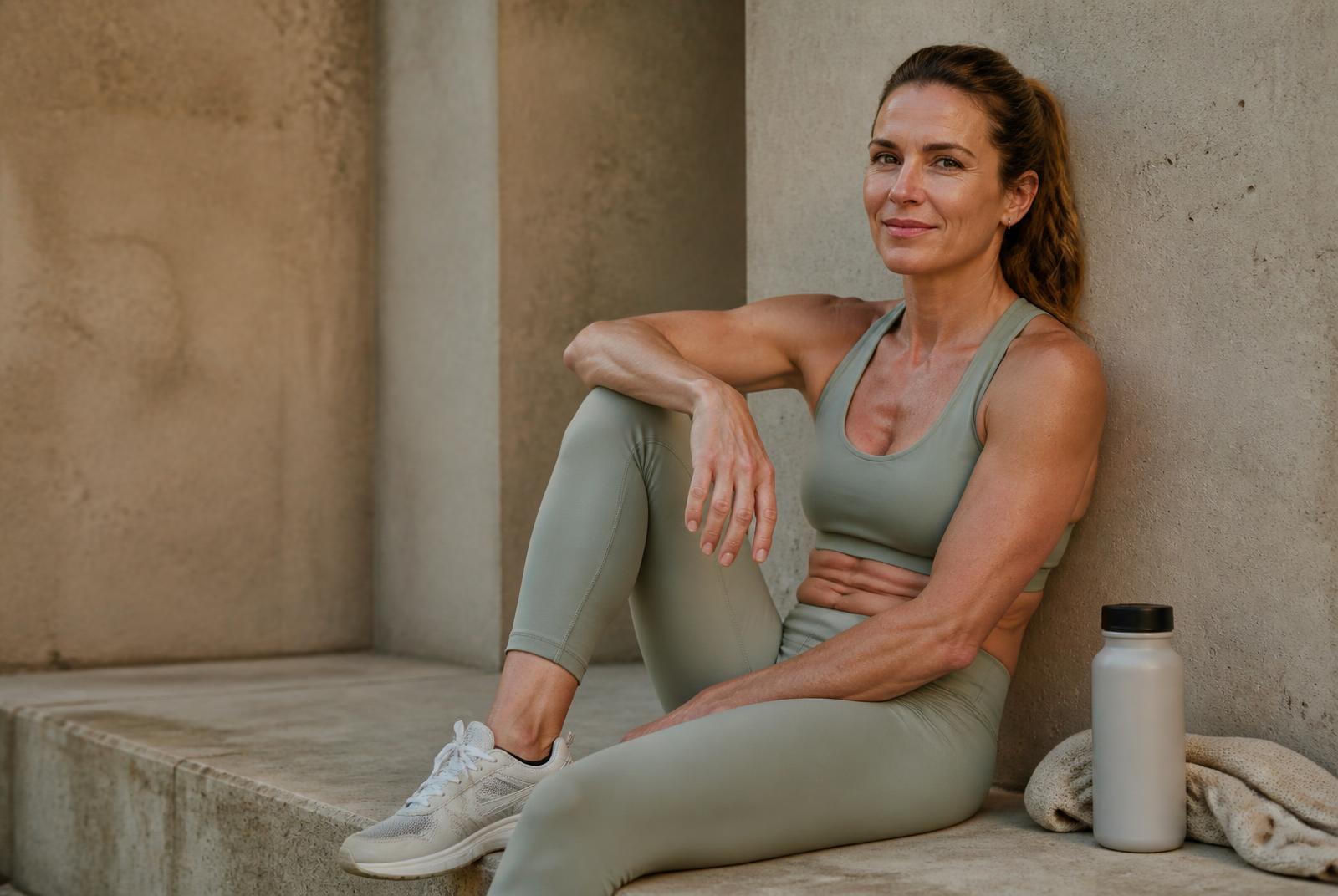
Scales measure mass, not tissue. When weight falls quickly, some of what leaves is muscle and bone — and the research on preserving it is thinner than the research on losing weight.
Hormonal cycles, menopause and pregnancy change metabolic physiology. Most of the research base was not designed to detect those differences.

No compound has been shown to replace sleep. The evidence on sleep restriction is unusually clear, and unusually inconvenient.
Contamination, abscesses and bloodstream infection are documented outcomes of non-clinical injection practice. This is the least discussed and best evidenced risk in the entire conversation.