
The Lean Mass Question Nobody Asks About Rapid Weight Loss
Scales measure mass, not tissue. When weight falls quickly, some of what leaves is muscle and bone — and the research on preserving it is thinner than the research on losing weight.
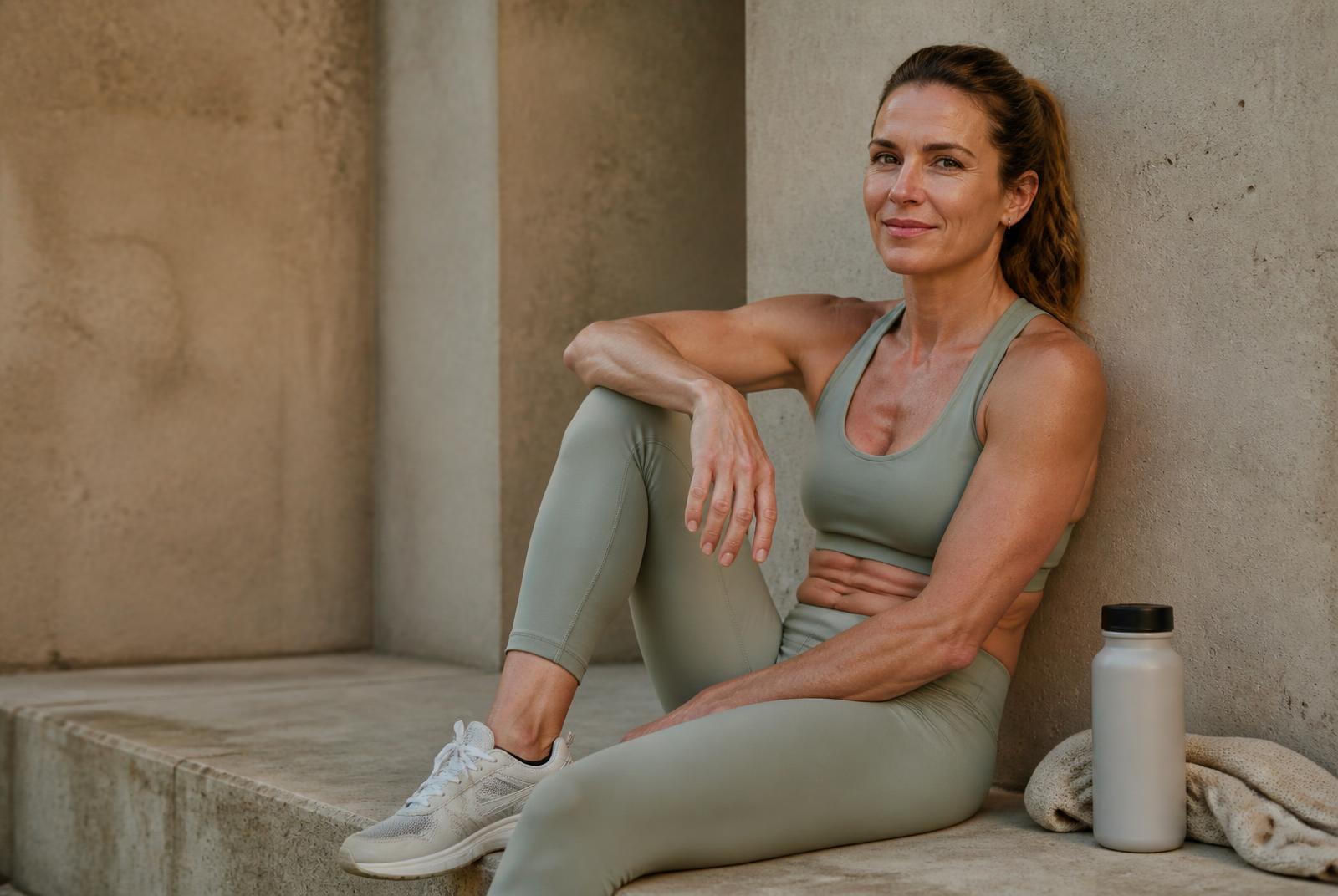
In every serious weight-loss intervention studied — surgical, dietary or pharmacological — a portion of the loss is lean tissue. This is physiology, not a defect of any particular approach.
What matters is proportion, and proportion is influenced by things that are unglamorous and well evidenced: protein intake, resistance training, and the rate of loss itself.
What the imaging substudies show
Body-composition substudies using DXA or MRI within incretin trials report that fat mass accounts for the majority of loss, with a smaller lean-mass component. Substudies are small, so estimates vary and confidence intervals are wide.
Lean mass is also not synonymous with muscle: it includes water and organ tissue. A fall in lean mass on DXA is a signal to investigate, not a measurement of muscle lost.
Why bone deserves attention
Bone mineral density tends to fall with substantial weight loss, and older adults have the least margin for that. Trials rarely run long enough to measure fractures, which is the endpoint that would settle the question.
For anyone reading this literature, the honest summary is that the direction of the effect is known and its clinical significance over decades is not.
The interventions with the best evidence
Progressive resistance training and adequate dietary protein have consistent human evidence for attenuating lean-mass loss during energy restriction. Neither is exotic and neither is a peptide.
Compounds marketed for muscle preservation during weight loss are, almost without exception, at an earlier evidence stage than the training and nutrition strategies they are pitched alongside.
Research references
- Systematic review
Effects of resistance training and protein intake on lean mass during energy restriction
This article is educational and is not medical advice. It does not recommend or provide individualised dosing. Speak with a qualified healthcare professional about your own health.